Robot Vacuums for Allergy Sufferers: What HEPA Actually Does (And the Self-Empty Dock Problem Nobody Mentions)
By VacBotLab Editors · Updated August 2026 · 11 min read
My allergist told me something that changed how I think about robot vacuums: the single most effective thing I could do to reduce allergen exposure in my home wasn't buying an air purifier, wasn't replacing my bedding, and wasn't a fancy HEPA vacuum. It was vacuuming more often. Specifically - daily. The problem, she said, was that most people vacuum once a week, which gives pet dander, dust mite debris, and pollen five days to accumulate on floors before any of it gets removed.
A robot vacuum running on a daily schedule is the most practical way to achieve that frequency. But not all robot vacuums are equally good at keeping allergens out of your air - and some configurations are actively counterproductive. Here's what actually matters.
Quick Answer: Best Robot Vacuums for Allergies
- Best HEPA + sealed system: Shark AI Ultra ($629) - only major robot with certified HEPA + sealed body
- Best overall for allergy households: Roborock S8 Pro Ultra ($449) - daily scheduling, strong filtration, best value
- Best premium: Roborock S8 MaxV Ultra ($1,099) - 10,000Pa suction pulls deep-carpet allergens others miss
- If you have a dog or cat: Eufy X10 Pro Omni ($449) - 8,000Pa + rubber brushroll + HEPA-grade filter
The Allergen Floor Problem
Here's the mechanism worth understanding: allergens like dust mite debris, pet dander, and pollen particles are heavier than air. They don't float indefinitely - they settle. Most of them end up on floors, where they sit until they're disturbed. Walking through a room, a pet running past, kids playing on the floor - all of these re-aerosolize settled particles and put them into the breathing zone.
This is why vacuuming frequency matters more than people expect. Every day you don't vacuum, the floor particle load grows. At weekly vacuuming intervals, your floor is a 6-day allergen reservoir for most of the week. At daily intervals - which a robot makes effortless - there's never more than 24 hours of accumulation.
Studies on indoor allergen management consistently show that high-frequency vacuuming with any decent filter outperforms low-frequency vacuuming with even a hospital-grade filter. The robot's biggest contribution to allergy control isn't its HEPA filter. It's the fact that you'll actually run it every day.
- Daily vacuuming frequency (robot makes this automatic)
- Sealed vacuum system (no allergen leakage through gaps)
- HEPA-grade or better filtration (captures fine particles)
- Strong suction in carpeted rooms (pulls deep-fiber particles)
- Self-empty dock design (bagged vs bin - more on this below)
What HEPA Actually Means in a Robot Vacuum
HEPA (High Efficiency Particulate Air) filtration is a standard: a true HEPA filter captures 99.97% of particles 0.3 microns or larger in a single pass. This covers dust mite allergens (~10 microns), pet dander (~2.5–10 microns), and most pollen (10–100 microns). Fine particles at 0.3 microns are actually the hardest size to capture - larger and smaller particles are caught more easily.
Here's the problem: having a HEPA filter doesn't mean HEPA performance if the vacuum body isn't sealed. If a robot vacuum has any unsealed gaps - around the filter housing, at the brush roll compartment, through the exhaust vents - air takes the path of least resistance and bypasses the filter entirely. The result: fine allergens pass straight through the machine and back into your room.
This is why sealed system + HEPA is the relevant specification, not HEPA alone. The Shark AI Ultra is the clearest example of a robot that specifically addresses this: it's designed as a sealed system with a certified HEPA filter, which is relatively rare in the category.
| Robot | Filter Type | Sealed System | Allergy Rating |
|---|---|---|---|
| Shark AI Ultra | Certified HEPA | ✓ Yes | ★★★★★ |
| Roborock S8 Pro Ultra | E11 high-efficiency | Partial | ★★★★ |
| Roborock S8 MaxV Ultra | E11 high-efficiency | Partial | ★★★★ |
| Eufy X10 Pro Omni | HEPA-grade filter | Partial | ★★★★ |
| Dreame L10s Ultra Gen 2 | E11 fine filter | Partial | ★★★ |
| Budget robots (<$200) | Basic mesh filter | ✗ No | ★ |
The Self-Empty Dock Problem Nobody Talks About
Self-emptying docks are the most convenient feature in the robot vacuum category. They're also the one feature that can actively make allergies worse if you're not aware of how they work.
When a self-empty dock vacuums out the robot's dustbin, it creates a high-velocity air burst inside a small, often unsealed transfer chamber. This burst can release fine particulate - exactly the allergen-sized particles the robot just collected - back into the room air. If the dock uses a reusable bin (as opposed to a sealed bag), every emptying cycle is a potential allergen event.
The fix depends on your sensitivity level:
Choose a dock with a sealed bag, not a reusable bin
Docks that empty into a sealed disposable bag (rather than a bagless bin) contain particles during the transfer. The bag gets replaced every 30-60 days without ever opening the collection chamber. The Roborock and Shark docks use this approach.
Place the dock in a low-traffic area
Kitchen, laundry room, or hallway - anywhere that's not your bedroom, living room, or wherever you spend the most time. The self-empty event happens at the dock location. If that location is your bedroom, you're breathing whatever gets released.
Schedule emptying cycles for when you're not home
Premium docks let you set when they empty. Schedule the emptying cycle for when you're at work or running errands. Any released particles settle before you return. This is the most practical approach for people with severe sensitivities.
For severe asthma: consider skipping auto-empty entirely
Manually empty the robot's dustbin outside or in a garage. More effort, but you have complete control over the emptying event and no risk of indoor aerosolization. The robot itself is still doing its daily allergy-reduction job.
Carpet vs. Hardwood: Where Allergens Actually Live
Hardwood and hard floors are easier to clean and hold fewer allergens, but they're not allergen-free. On hard surfaces, particles sit on top of the floor and are relatively easy to vacuum up. They're also re-aerosolized more easily by air movement and foot traffic, which is why daily vacuuming matters even in hardwood homes.
Carpet is the bigger allergen reservoir. Carpet fibers trap dust mites, dander, and debris deep in the pile where surface cleaning doesn't reach. This is where suction power becomes genuinely important for allergy control - a 10,000Pa machine like the Roborock S8 MaxV Ultra pulls particles from deeper in carpet fibers than a 2,500Pa machine, even if both have the same filter.
The practical takeaway: if you have significant carpet, prioritize suction power alongside filtration. If you're mostly hardwood and tile, filtration quality and run frequency matter more than suction spec.
The Best Robot Vacuums for Allergy Control
1. Shark AI Ultra - Best Certified HEPA
The only major robot with certified HEPA + sealed system
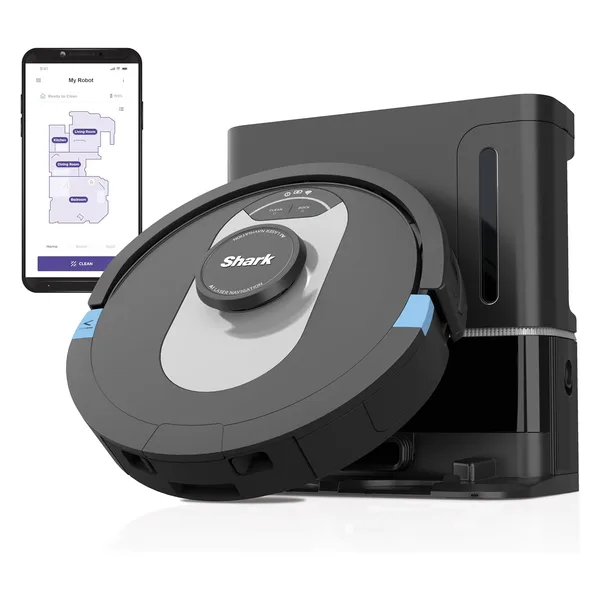
$629
The Shark AI Ultra is the most direct answer to the allergy question. It's built around a certified HEPA filter in a sealed body - the combination that actually prevents allergens from recirculating. Camera-based AI obstacle avoidance means it doesn't get stuck on pet toys or cables, which matters for daily scheduling reliability. The Matrix Clean grid pattern gives systematic floor coverage rather than random bouncing.
The honest tradeoff: at 2,500Pa suction it's not a deep-carpet powerhouse. On hardwood and low-pile carpet, filtration quality and run frequency are the dominant factors and the Shark excels. On high-pile carpet, the higher-suction Roborock options pull more allergens per pass from deeper in the fibers.
2. Roborock S8 Pro Ultra - Best Value for Allergy Households
Daily scheduling + strong filtration + mop for hard floors
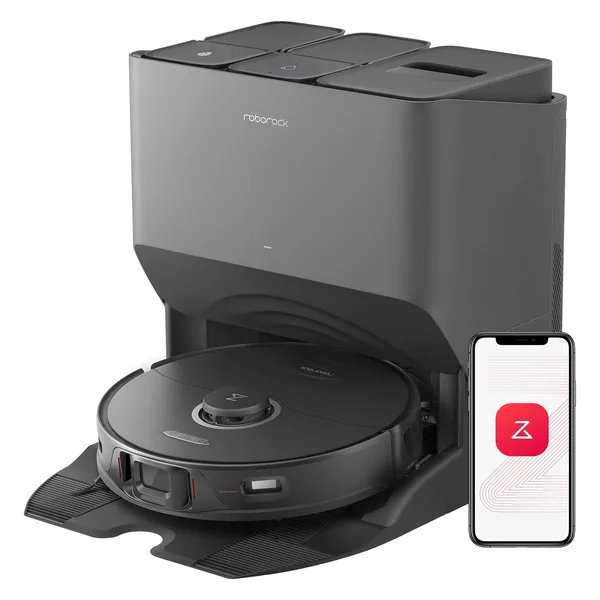
$449
For the majority of allergy households, the S8 Pro Ultra is the right call. The E11 filter captures particles down to fine allergen sizes, 6,000Pa suction handles both hardwood and moderate-pile carpet effectively, and the scheduling flexibility lets you run it daily while you're asleep or at work - meaning floors are cleaned before you're breathing the air above them.
The mop function adds a meaningful layer: mopping hard floors after vacuuming picks up the fine particles that vacuum suction doesn't catch. For allergen control on tile and hardwood, a vacuum + mop combination is measurably better than vacuum alone. The self-wash mop dock means the mop pads stay clean rather than spreading damp allergens across the floor.
3. Eufy X10 Pro Omni - Best for Pet Allergens
8,000Pa + rubber brush + HEPA-grade filter for dander control
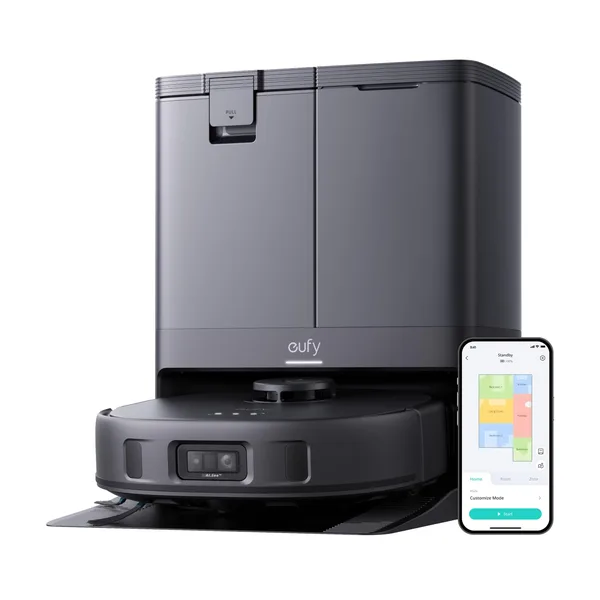
$449
Pet dander is one of the most persistent allergens because it's sticky and clings to surfaces. The Eufy X10's rubber roller brushroll doesn't tangle with pet hair the way bristle brushes do, meaning it stays effective between cleans instead of becoming a compressed hair mat that reduces suction. At 8,000Pa it has strong enough pull to lift dander from carpet fibers, and the HEPA-grade filter captures the fine particles. For homes with dogs or cats, this is the pick.
4. Roborock S8 MaxV Ultra - Best Premium Allergen Control
10,000Pa deep-carpet suction for serious allergen extraction
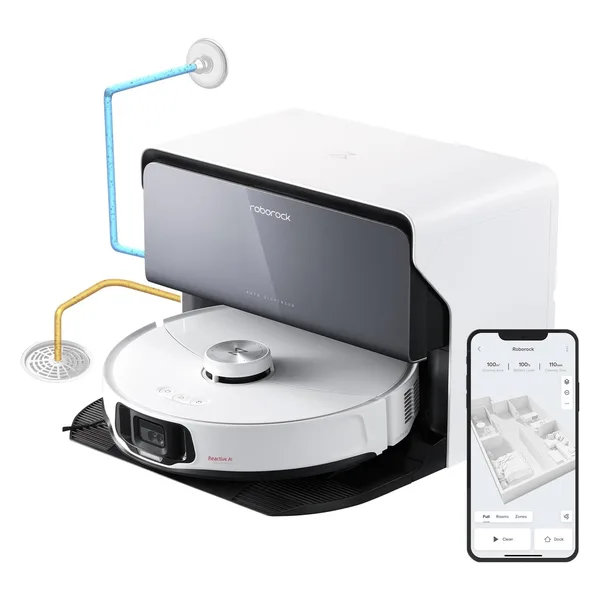
$1,099
The S8 MaxV Ultra's case for an allergy household is its carpet suction. At 10,000Pa it pulls particulate from deeper in carpet pile than any other machine on this list - which matters most in homes with thick carpet where dust mites and dander accumulate in the lower fiber layers that lighter suction doesn't reach. ReactiveAI 3.0 with dual cameras gives it the best obstacle avoidance, meaning the daily scheduling reliability that makes robot vacuums actually effective for allergen control.
The Allergy-Optimized Robot Vacuum Schedule
Having the right robot matters less than running it on the right schedule. Here's the approach that produces the best allergen reduction:
| Schedule | Timing | Why |
|---|---|---|
| Daily vacuum run | While you're at work (9am-5pm) | Floors are clean before evening when you're home most. Particles settle before you return. |
| Dock auto-empty | Set for when you're out | Any particulate release from the dock happens while you're away from the house. |
| High-allergen days | Add a second pass in evening | Spring pollen season, after pet grooming, after guests with pets visit. |
| Bedroom priority | Set as first zone, daily | You spend 8 hours breathing bedroom air. Allergen control here has the highest impact on symptoms. |
FAQ
Do robot vacuums actually help with allergies?
Yes, significantly. The mechanism is frequency: a robot running daily keeps floor allergen loads low before particles get disturbed and become airborne. This matters more than filter grade. A decent filter used daily beats a HEPA filter used weekly.
Are self-emptying docks bad for allergies?
They can be. Docks with sealed bags are better than bagless bins for allergy sufferers. Position the dock away from main living areas, and schedule auto-emptying for when you're not home to minimize exposure to any released particulate.
Do I still need an air purifier if I have a robot vacuum?
Yes - they address different parts of the problem. A robot vacuum removes particles from surfaces before they become airborne. An air purifier captures particles that are already in the air. For serious allergy or asthma management, both are useful.
Which robot vacuum is best for dust mite allergies specifically?
Dust mites primarily live in carpet and soft furnishings. For carpet-heavy homes, suction power is the priority - the Roborock S8 MaxV Ultra at 10,000Pa pulls allergens from deeper in carpet pile. Pair with daily scheduling and bedroom priority zones for maximum effect.